

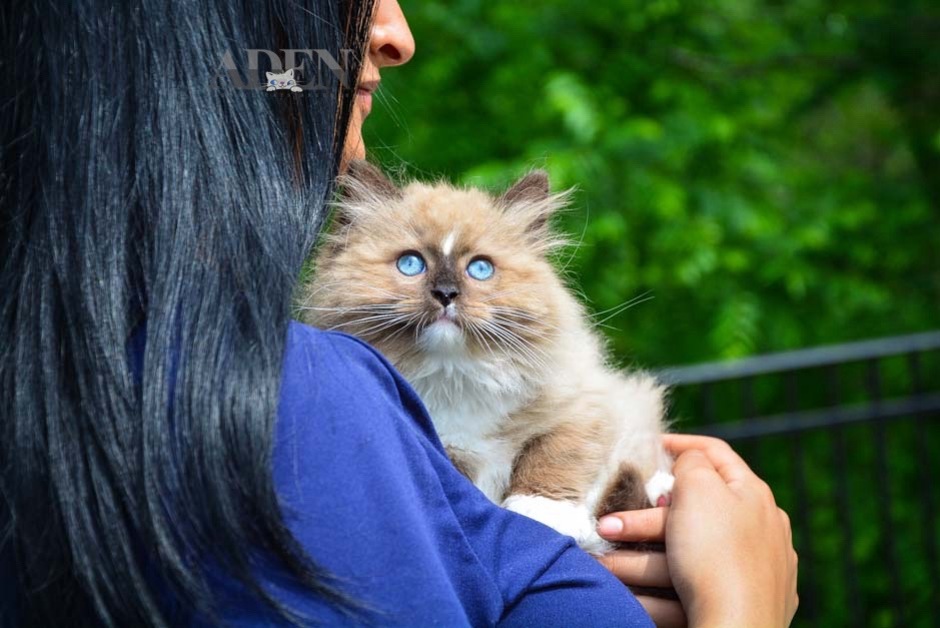
Ragdoll Cats are the ultimate velcro cats. Soft as a cloud, heavy as a bag of flour, and deeply bonded to their people — they thrive on closeness. That same loving nature can turn into real distress when you’re gone. Separation anxiety in Ragdolls isn’t rare, and it can show up as early as kittenhood or develop later when routines change.
This guide walks you through what it looks like, why Ragdolls are especially prone to it, and the everyday steps that actually help — without turning your home into a fortress of gadgets or your life into a rigid schedule.
Why Ragdol Cats Feel It More Deeply
Ragdolls were bred to be affectionate and people-focused. They often follow you from room to room, flop at your feet, and seek physical contact. When that constant companionship disappears for hours, some Ragdolls struggle to regulate their emotions. Kittens raised with lots of human interaction can form especially strong attachments early on, while adult Ragdoll Cats may develop anxiety after a move, a new schedule, or the loss of another pet.
It’s not “spoiled” behavior. It’s a sensitive cat whose emotional needs aren’t fully met when left alone.
Common Signs of Separation Anxiety in Cats
Watch for patterns that appear mainly when you’re away or preparing to leave:
• Excessive meowing, crying, or howling that starts after you leave (or even as you pick up keys)
• Destructive behavior focused on doors, windows, or your belongings
• Inappropriate urination or defecation (especially near exits)
• Over-grooming or self-soothing that leads to bald patches
• Pacing, restlessness, or refusing to settle
• Extreme clinginess the moment you return, sometimes mixed with over-excitement or mild aggression from stress
If these signs only happen around departures and absences, separation anxiety is likely the culprit rather than a general behavior issue.
Prevention Starts with Ragdoll Kittens
The best time to build resilience is while they’re young. Ragdoll kittens benefit from gentle, gradual independence training:
• Practice short absences early. Leave the room for a few minutes, then return calmly. Slowly increase the time.
• Create positive associations with alone time. Offer a special toy, puzzle feeder, or small treat only when you step away.
• Avoid making departures and arrivals a big emotional event. Quiet exits and low-key hellos teach them that coming and going is normal.
• Provide enrichment even when you’re home. A tired, stimulated kitten is better prepared for solitude.
Consistency matters more than perfection. A few minutes of practice most days builds confidence over weeks.
Practical Ways to Help Adult Ragdoll Cats
Once anxiety is present, focus on reducing the intensity of departures and filling the gap when you’re gone.
Build a predictable routine
Cats feel safer when they know what to expect. Feed, play, and leave at roughly the same times when possible. Sudden schedule shifts can trigger setbacks.
Make departures boring
Ignore the dramatic goodbyes. Put on your shoes, pick up your bag, and leave without extra pets or prolonged talking. When you return, wait a minute or two before giving attention so the reunion doesn’t become the biggest reward of the day.
Create safe, enriching spaces
Set up a comfortable “home base” with:
• A soft bed or blanket that smells like you
• A window perch for bird-watching
• Vertical space (cat trees or shelves) so they can survey their territory
• Background noise such as a radio, TV, or calming playlist
Some Ragdolls relax better with a piece of your worn clothing nearby. Others prefer the scent of a familiar blanket.
Use interactive play and food puzzles
A good play session before you leave (wand toys that mimic prey) helps burn energy and release tension. Follow it with a meal or a puzzle feeder so your cat associates your departure with something positive and engaging.
Consider pheromone support
Synthetic feline facial pheromone diffusers or sprays (like Feliway) can create a calmer environment for many cats. They’re not magic, but they often take the edge off while you work on behavior changes.
Gradual desensitization
If anxiety is moderate to severe, practice short departures on purpose. Leave for 30 seconds, return calmly, and reward quiet behavior. Slowly extend the time. This teaches your Ragdoll that you always come back.
What Usually Doesn’t Help Long-Term
• Getting a second cat solely as a “companion” (it can help some Ragdolls but may increase stress for others)
• Punishing vocalization or accidents
• Leaving them alone for longer and longer periods hoping they’ll “get used to it”
• Relying only on cameras or automatic toys without addressing the emotional root
When to Get Extra Help
If your Ragdoll is injuring themselves, destroying property, or showing extreme distress, talk to your veterinarian. Medical issues (pain, urinary problems, thyroid conditions) can look similar to anxiety and need ruling out first. A veterinary behaviorist or certified cat behavior consultant can design a tailored plan, and in some cases short-term anti-anxiety medication supports the training process.
A Note on Realistic Expectations
Most Ragdolls improve with consistent, patient work, but progress is rarely linear. Some days will feel like steps backward. That’s normal. Celebrate the small wins — a quieter departure, a longer stretch of settled behavior, a soft purr when you return.
Your Ragdoll doesn’t need constant entertainment or an empty house full of gadgets. They need to feel secure that the bond stays intact even when you’re not in the same room. With steady routines, enrichment, and a calmer approach to leaving and returning, many of these gentle giants learn that alone time is manageable — and that you’ll always come back.
If you’re currently living with a Ragdoll who’s struggling, start with one or two changes this week. Small, consistent steps create the biggest difference over time.